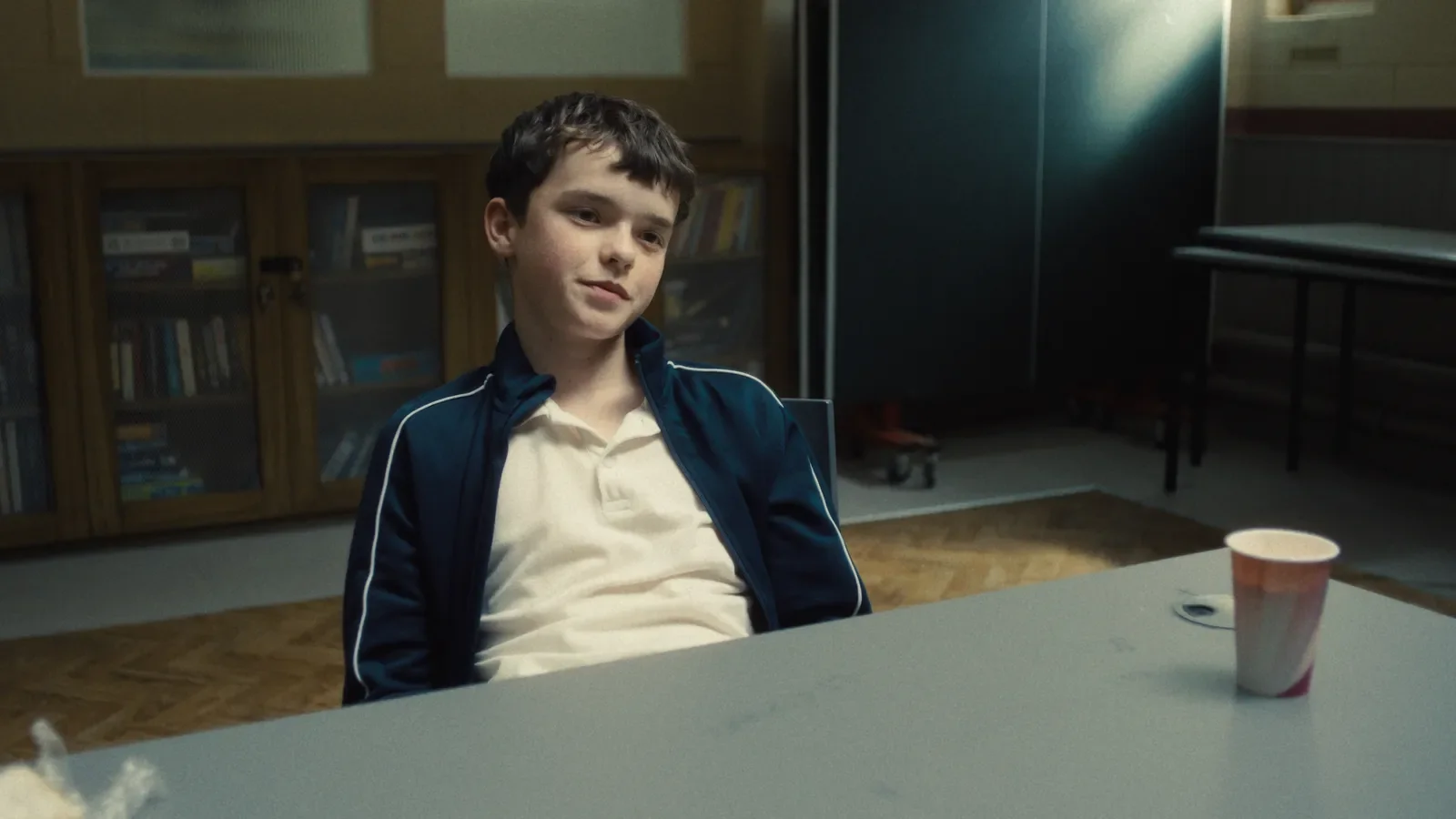
Courtesy of Netflix
Thanks to the Netflix show, many parents will be contemplating discussing incels, misogyny and porn with their teenage boys for the first time. In his latest article for GQ, psychotherapist Dr Aaron Balick of The Balint Consultancy offers some advice on how to do it the right way.
Adolescence is a freaky metamorphosis. For a boy in its grip, it is both body-horror and psychological thriller; the frightening pace of corporeal transition; the coarse hairs appearing out of nowhere; and the once unproblematic skin suddenly threatening embarrassing eruptions at the worst possible moment.
Blood courses with hormones that provoke desire and aggression in ways unfamiliar and disturbing. His locus of attention shifts from home to friends where fitting in becomes his driving purpose. Today, all this intensity and confusion is pumped through digital platforms that mediate his relationships, validate his self-worth, and serve up (usually dodgy) answers to his many questions about himself and the world. It’s a perplexing and vulnerable time.
Adolescence, the much-discussed Netflix series has struck parents right in the amygdala (the brain’s anxiety centre) compelling them to seriously ponder whether their sons, like Jamie Miller, are quietly being radicalised by a toxic digital world right under their noses. That the Millers are a normal loving family robs us of any reassuring dysfunction upon which to rest our blame. The series culminates with the bewildered parents’ unresolved question hanging in the air between them, “could we have done more?” Adolescence is a call to action for parents to ask for themselves the same question in the present tense.